Tradition· Japan · 16th century – present
Karatsu
Korean roots, Japanese branches. Earthy, honest, warm.
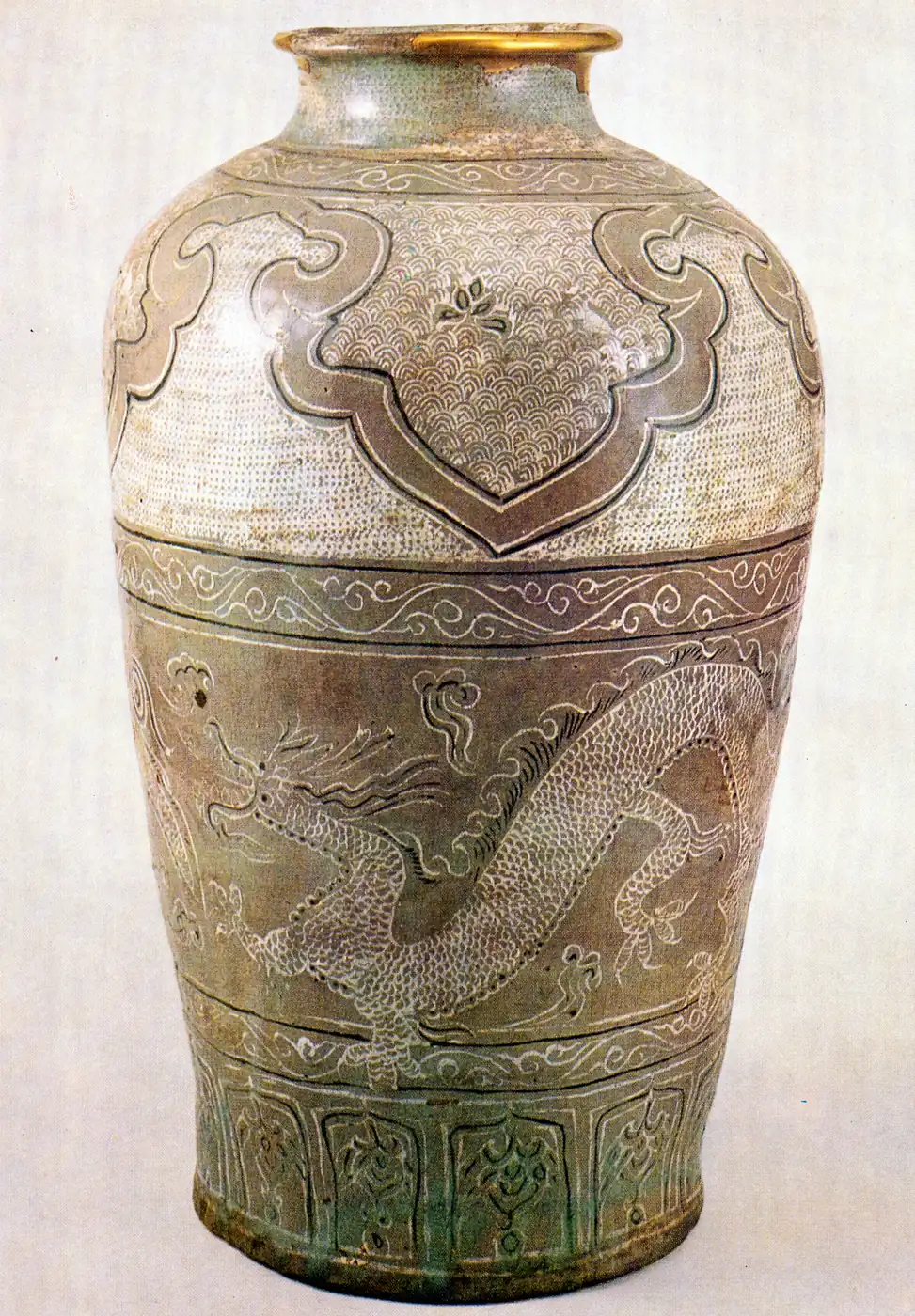
When Korean potters were brought to Kyushu, they created a tradition that became quintessentially Japanese.
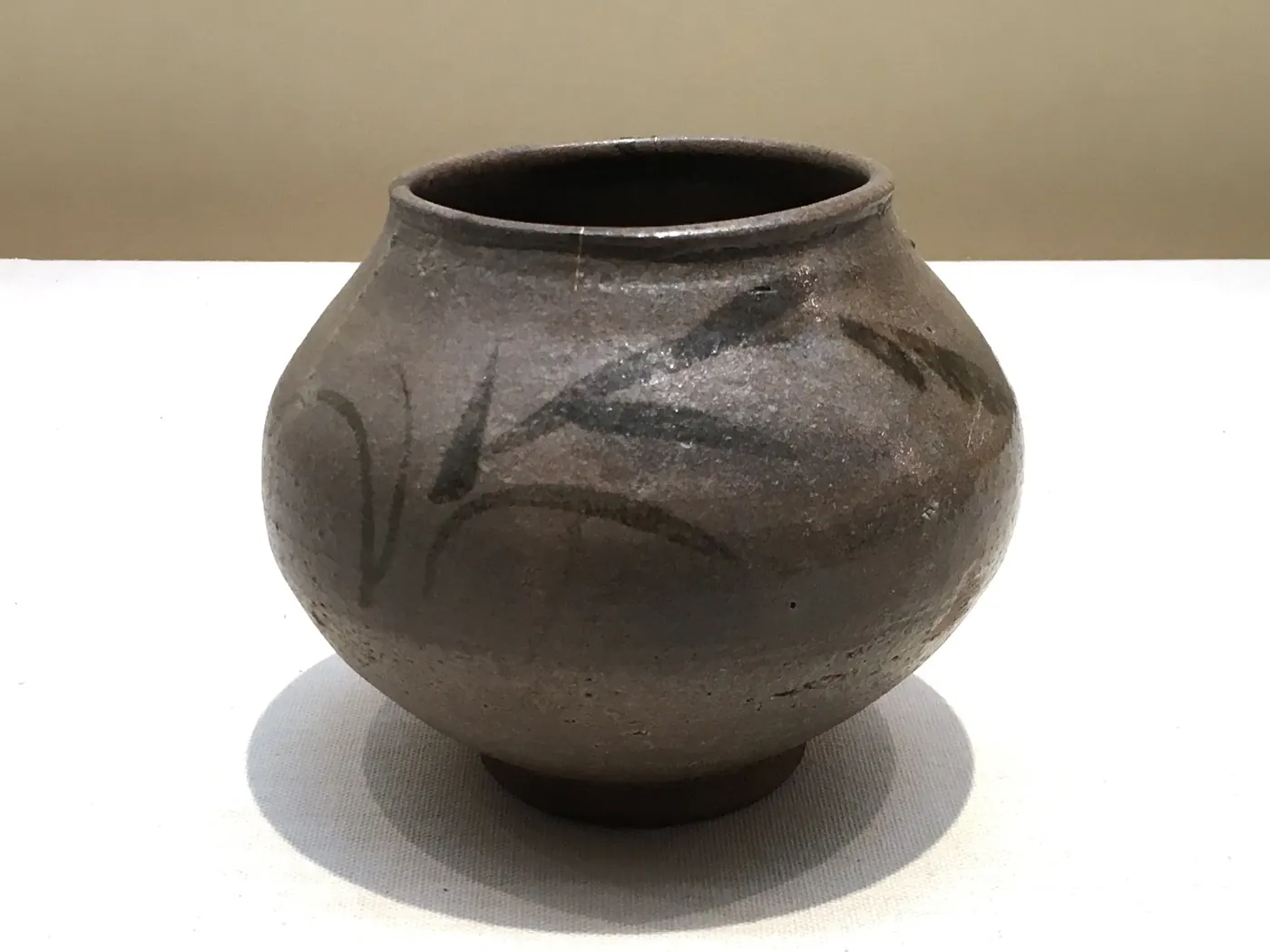
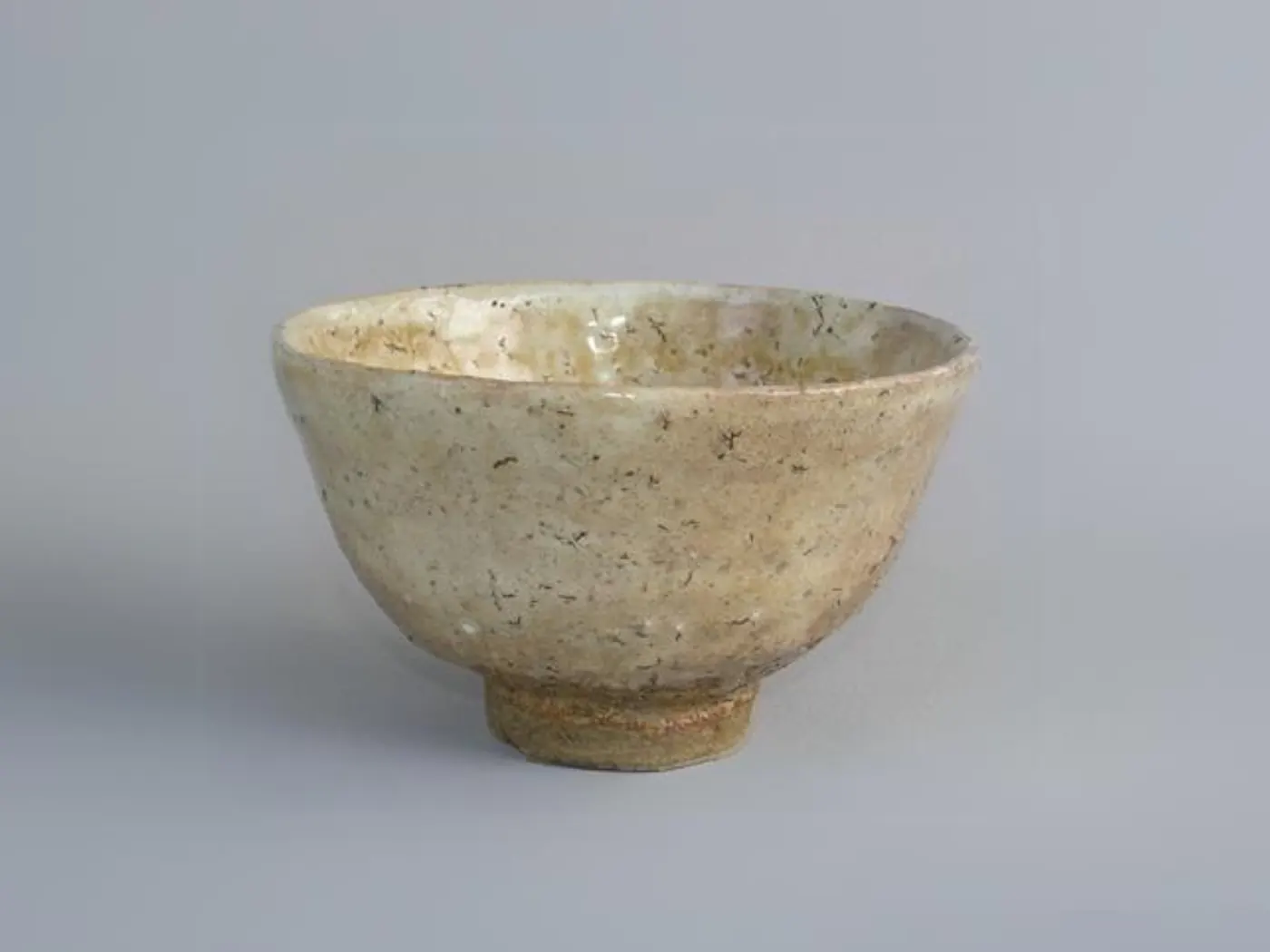
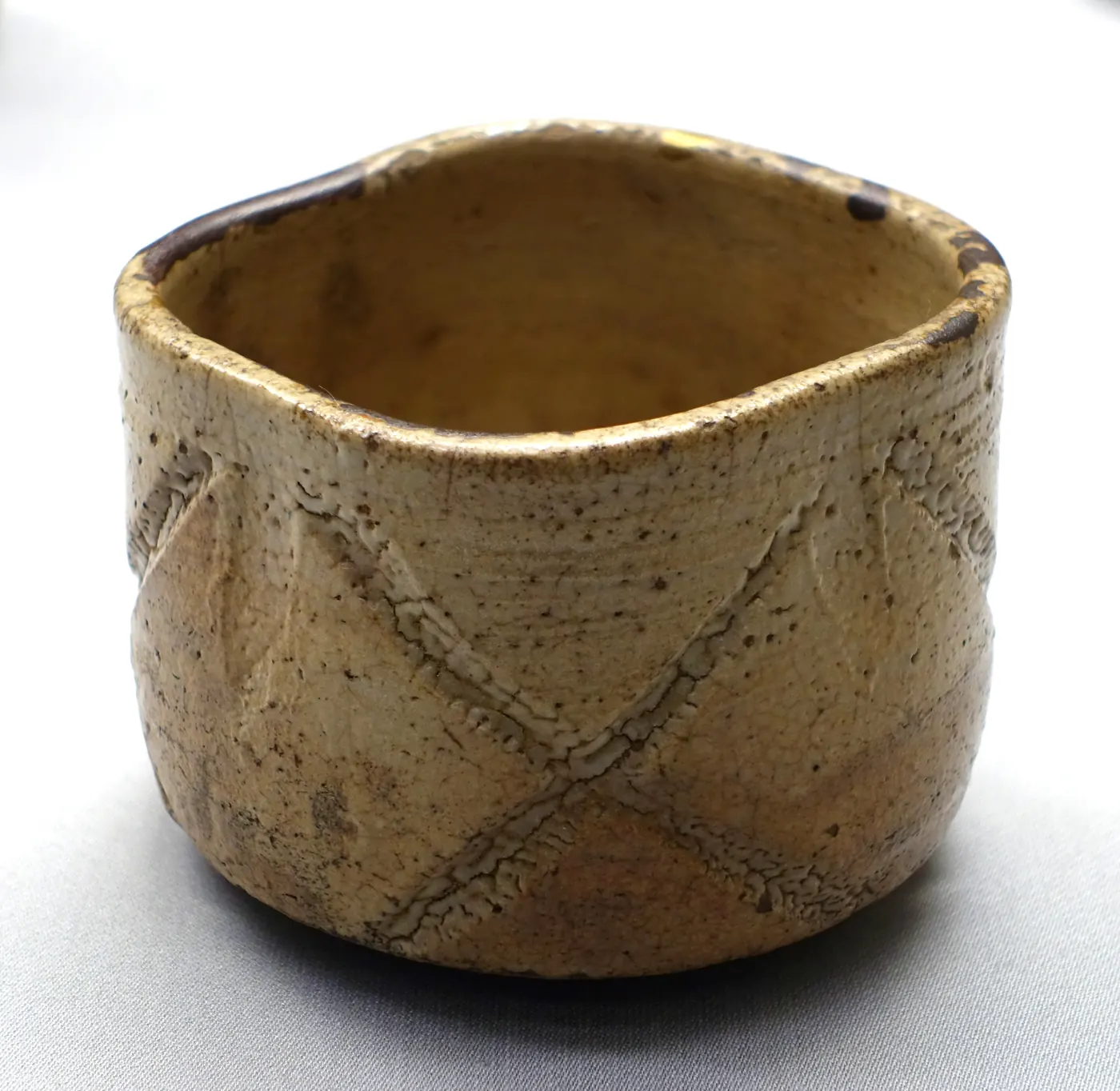
Karatsu ware emerged in northern Kyushu, close to Korea, and shows its Korean heritage clearly: buncheong-influenced brushwork, slip decoration, climbing kilns. 'First Raku, second Hagi, third Karatsu' goes the tea ceremony ranking. The ware is earthy, often grayish-brown, with painted iron-brown decoration of simple grasses, birds, or abstract patterns. E-Karatsu (painted Karatsu) features bold brushwork; Madara-Karatsu (spotted Karatsu) shows rice-straw ash creating white patches.
How do traditions transform when they travel?