Tradition· Japan · 16th century – present
Hagi
Soft, warm, alive. The tea bowl that ages with you.
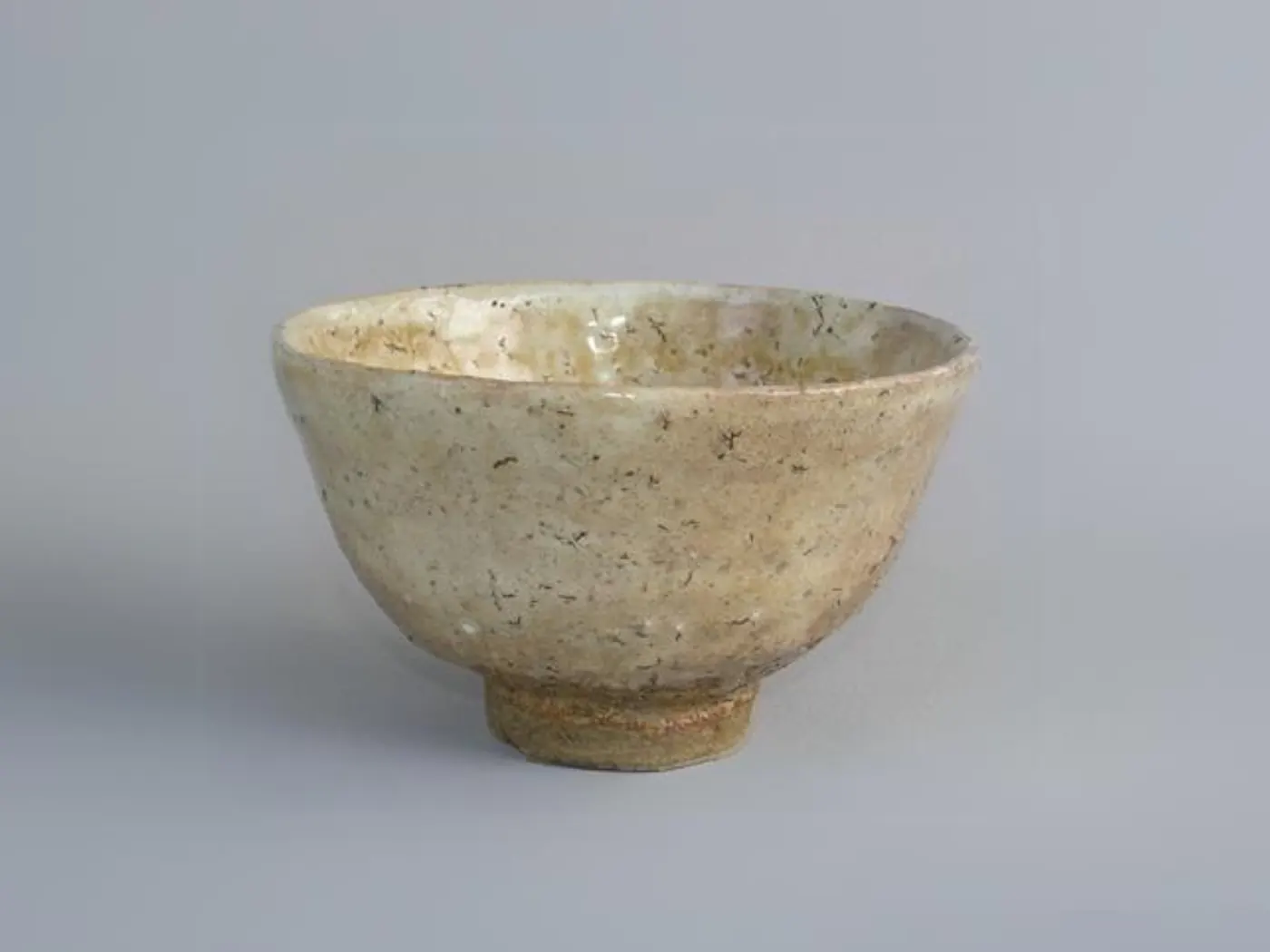
Tea masters say 'First Raku, second Hagi, third Karatsu'—and Hagi's soft surfaces change with every use.
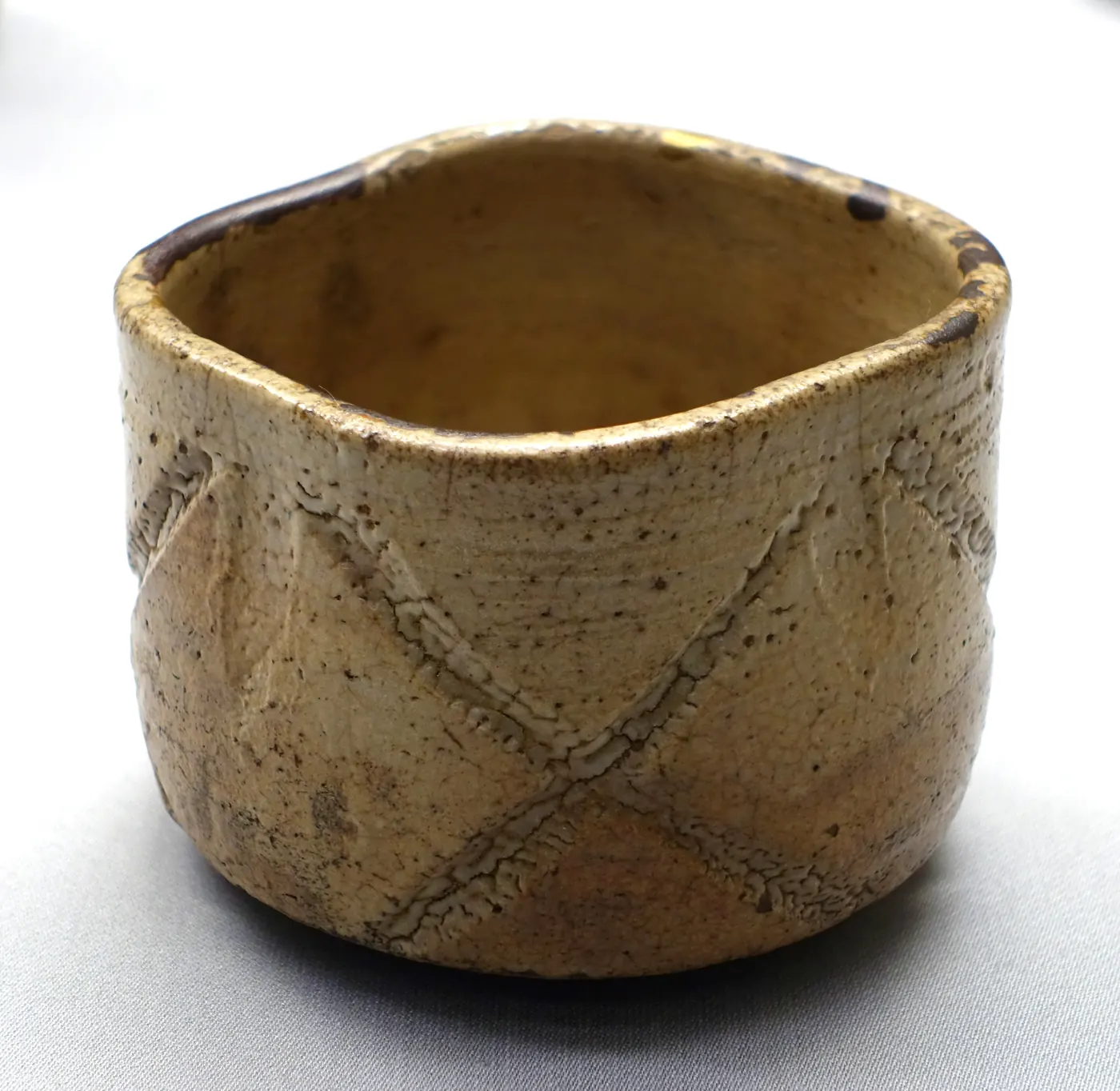
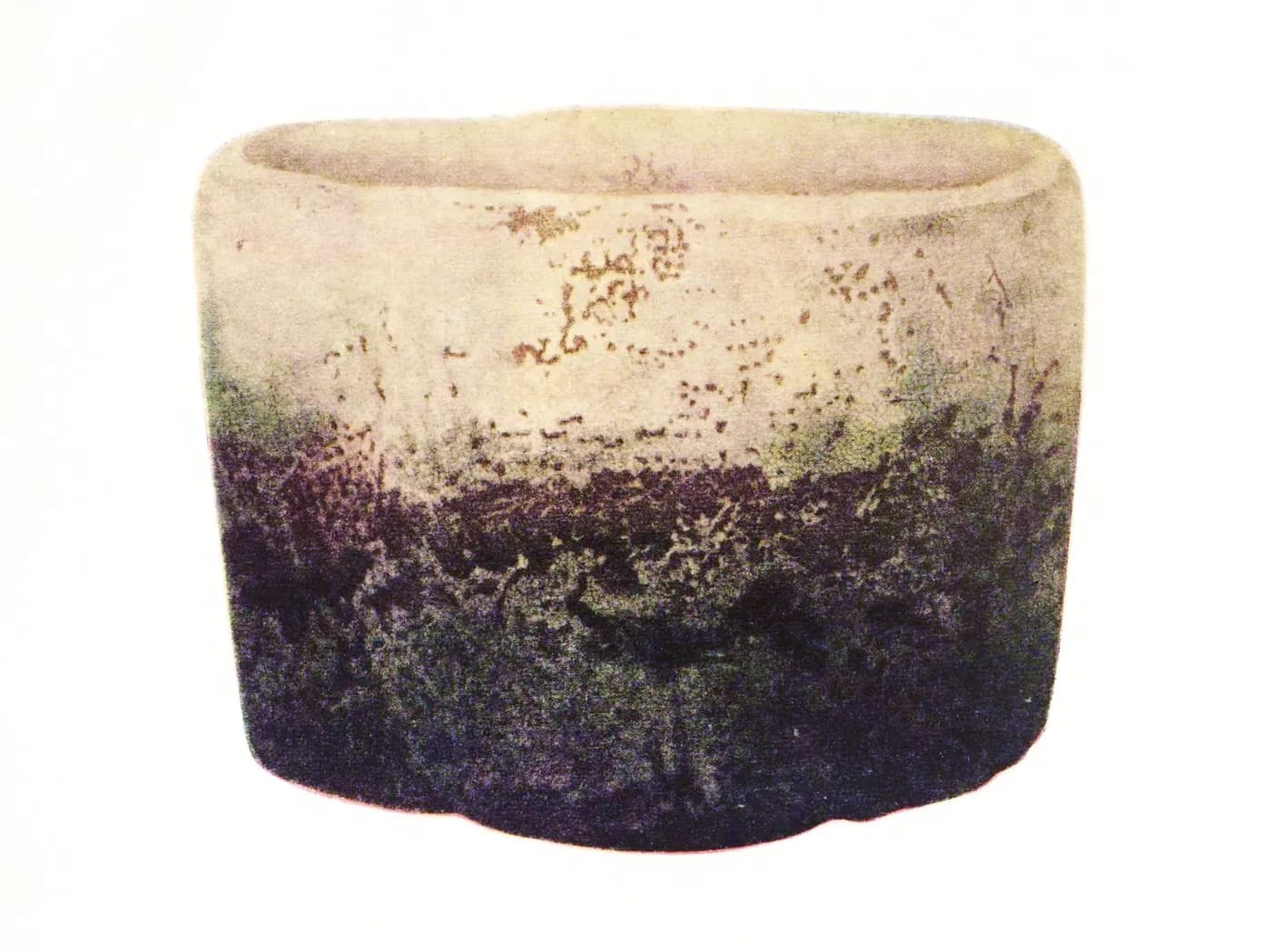
Hagi ware began when Korean potters, brought to Japan after the invasions of the 1590s, settled in the domain of the Mōri clan. Hagi's distinctive character comes from its soft, porous body and its thick, crawling glazes in pale pink, cream, and white. The ware is famous for 'the seven changes of Hagi': the way pieces transform with use as tea stains penetrate the crackled glaze. A new Hagi bowl can seem bland, even chalky. A well-used one glows with decades of tea.
What in your life becomes more beautiful with use and age?