Moment· Mid 17th century
Chinese Export Collapse (1640s-80s)
When China stopped shipping, the world had to make its own.
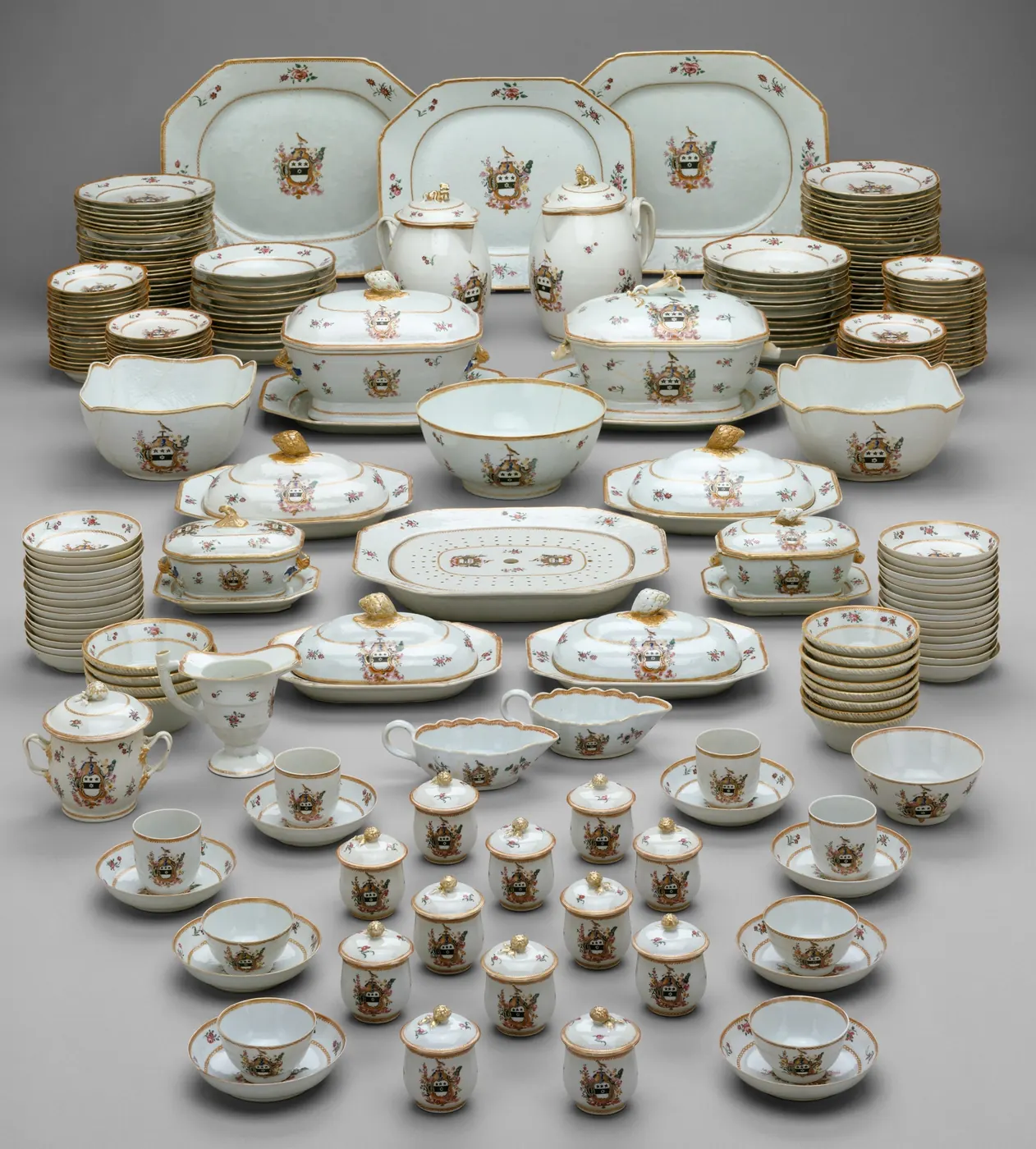
When China's porcelain stopped flowing, Japan and Delft stepped in.
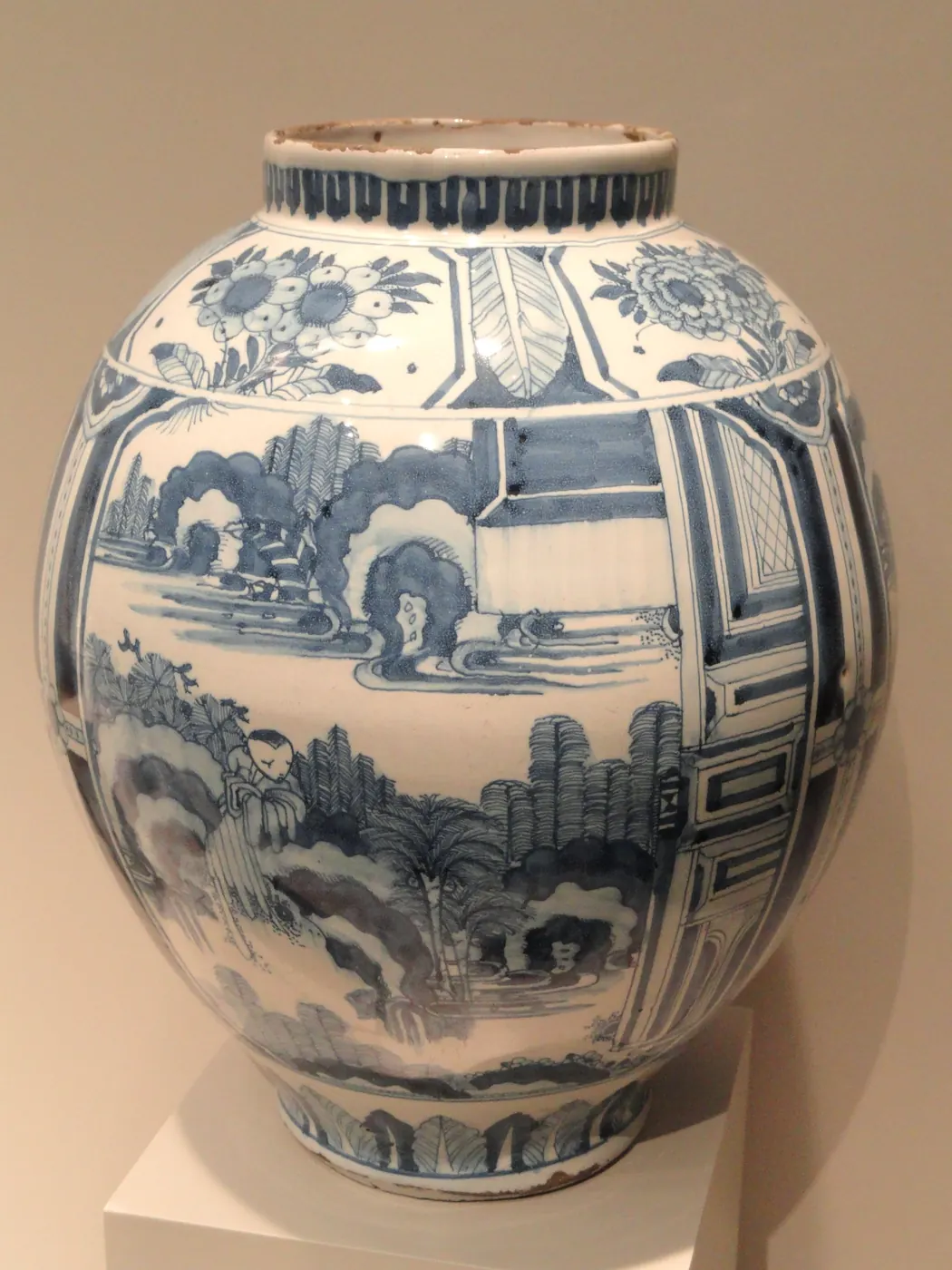
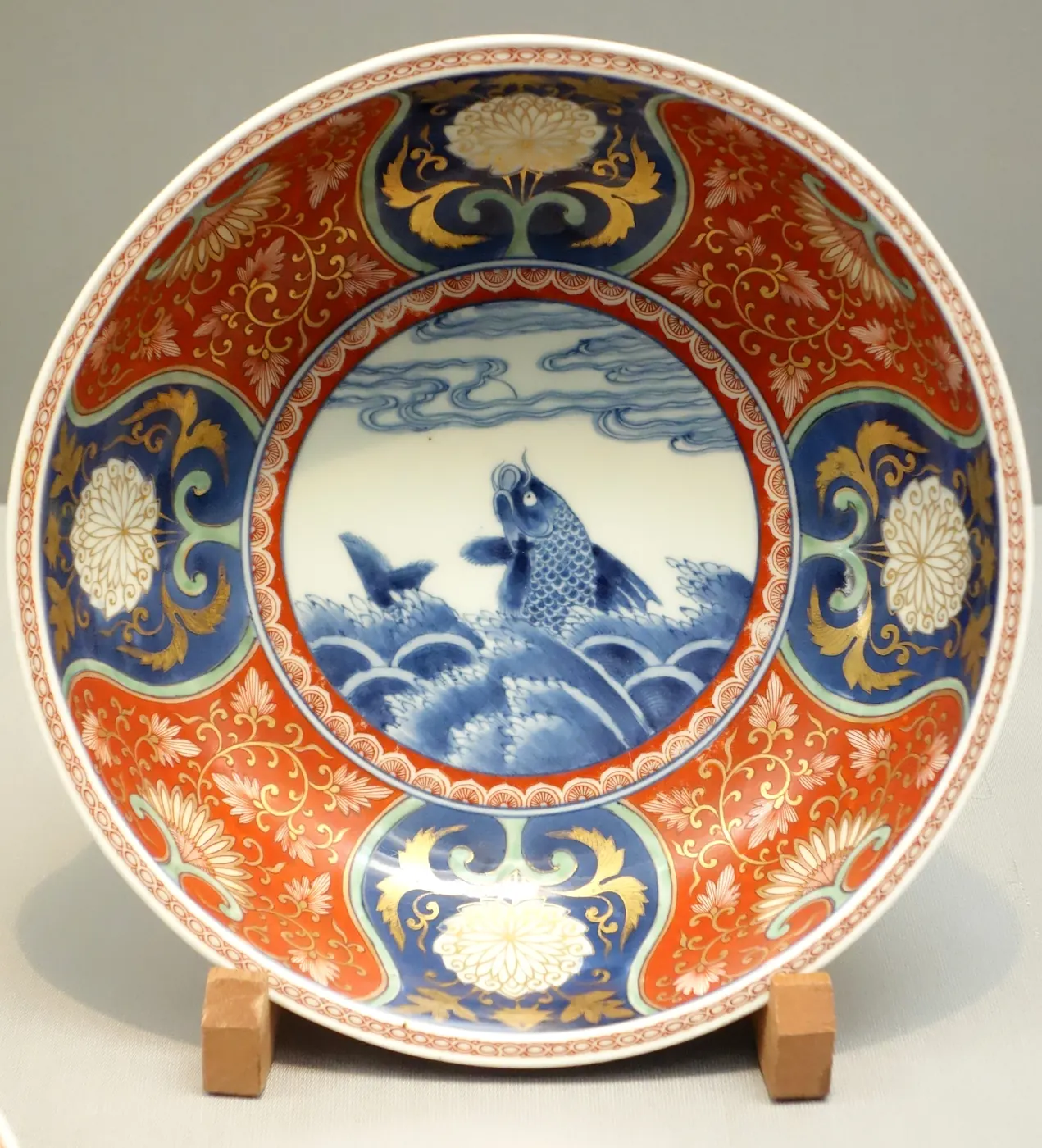
In the mid-17th century the fall of the Ming dynasty and the Qing conquest disrupted the kilns of Jingdezhen and coastal trade. The Dutch East India Company, which had shipped millions of pieces of Chinese porcelain to Europe, turned to Japan, where the young kilns of Arita filled the gap with Imari and Kakiemon wares.
In Europe, Delft potters made blue-and-white tin-glazed earthenware in imitation, and the race to make true porcelain began.
What becomes possible when a supply you depend on disappears?
Try it in the studio
Compare Chinese blue-and-white, Arita and Delft side by side; the same image changes completely with the clay.