Tradition· Korea · 15th–19th century
Joseon White Porcelain
Pure white. Confucian virtue made visible.
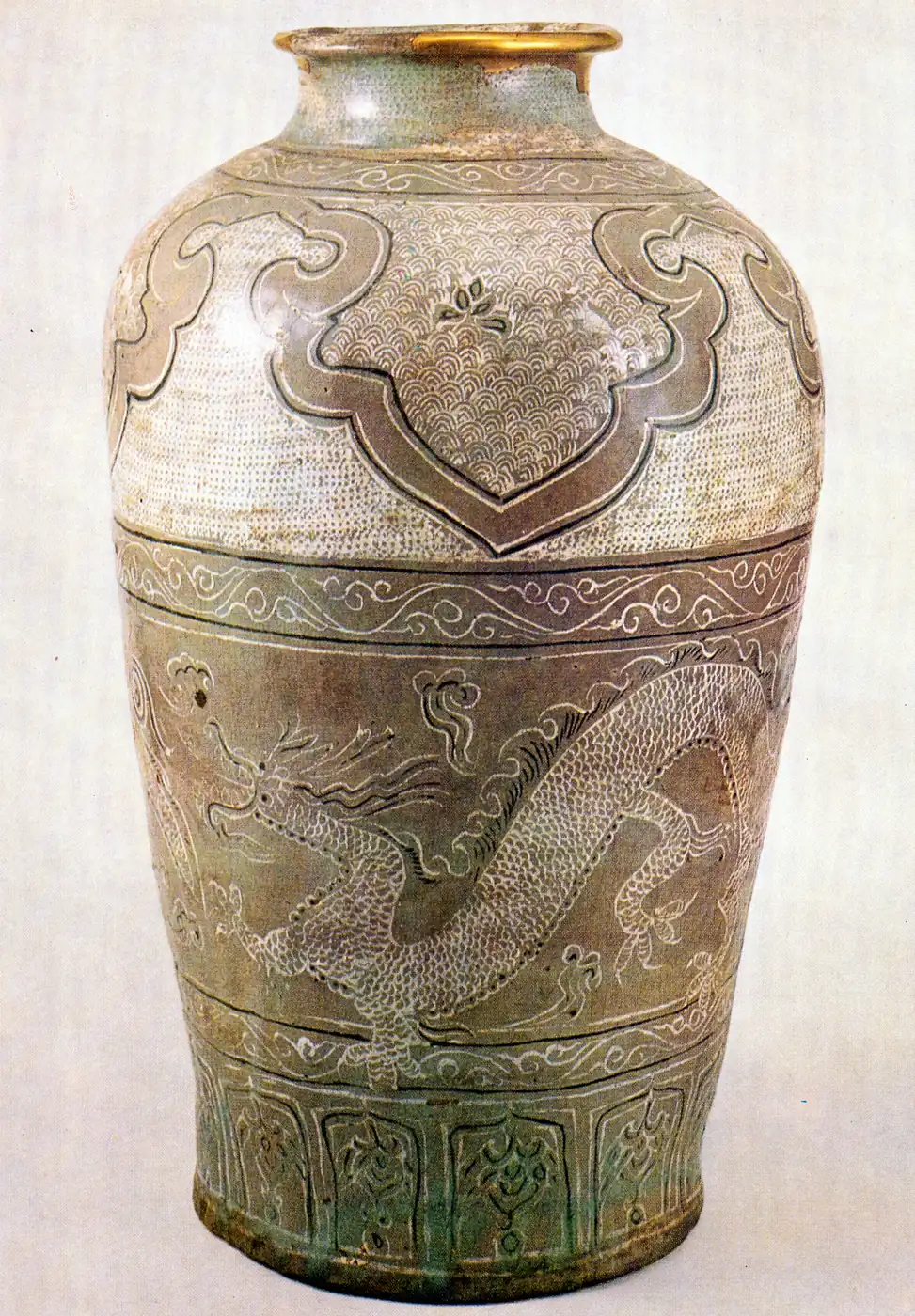
While buncheong celebrated freedom, white porcelain embodied restraint—and became Korea's defining ceramic tradition.
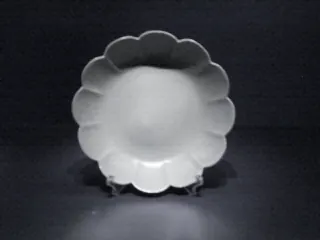
Joseon white porcelain represents Neo-Confucian ideals made tangible: purity, simplicity, moral rectitude. After buncheong fell out of favor, white porcelain dominated Korean ceramics for four centuries. The finest pieces achieve an almost impossible purity—the white of fresh snow, the white of rice, the white of virtue itself. Moon jars (dalhanari) with their full-bellied embrace became iconic forms. The restraint can seem austere, but prolonged attention reveals endless subtlety.
What might restraint reveal that decoration would hide?