Technique
Ash Glazing
Local trees become local glazes.
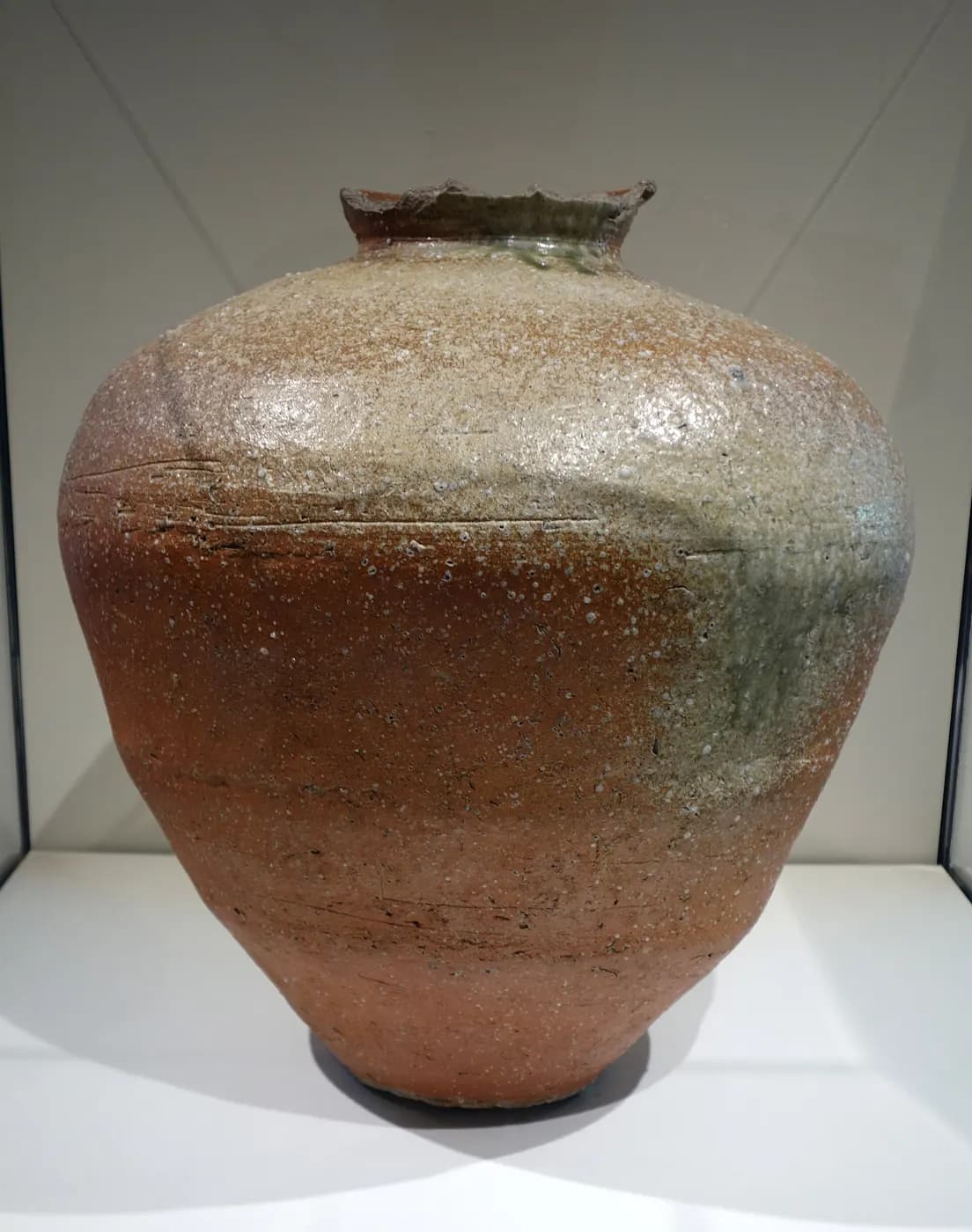
Turning the ash of a fire into glaze.
Wood ash is rich in calcium, potassium and some silica and phosphorus, so at high temperatures it melts into glass. Ash glazes, often about half ash and half clay or feldspar, give greens, ambers and runs that recall wood-fired pots, and every batch is different depending on the tree and how the ash was washed.
Washing removes the caustic soluble salts; always wear gloves and a mask when handling ash.
What would a glaze made from your own fireplace look like?
Try it in the studio
Collect hardwood ash, soak and sieve it, dry it, then test it 50/50 with a clay and again with feldspar at cone 6 and cone 10.