Place
Mashiko
Hamada's village. 300 potteries strong.
A farming town north of Tokyo became a world capital of pottery because one man chose to live there.
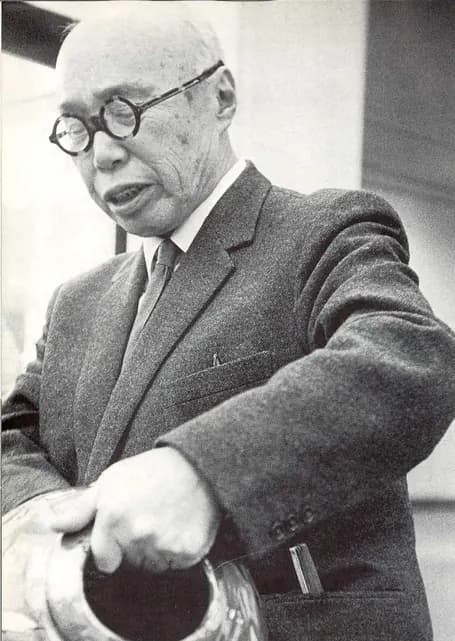
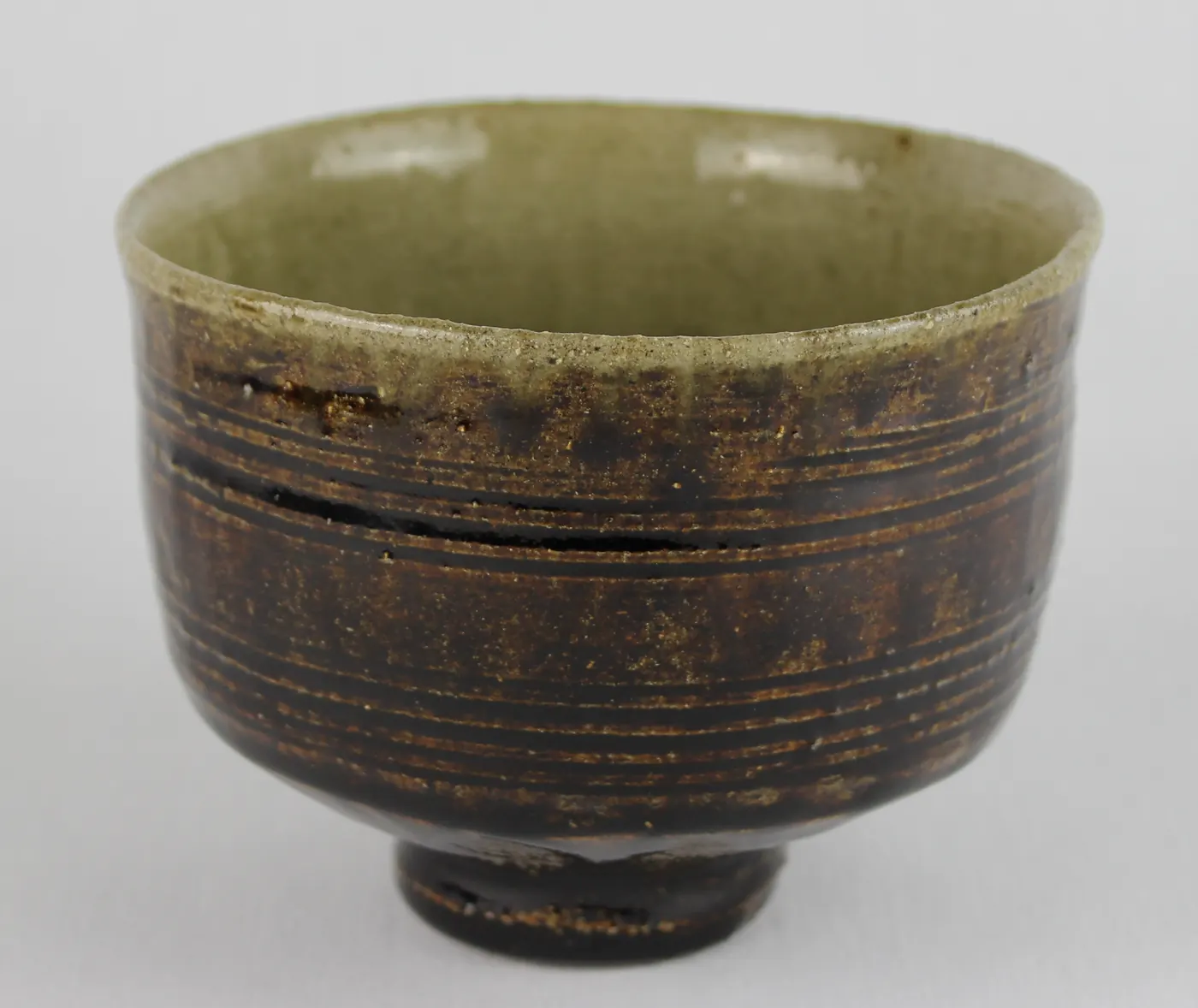
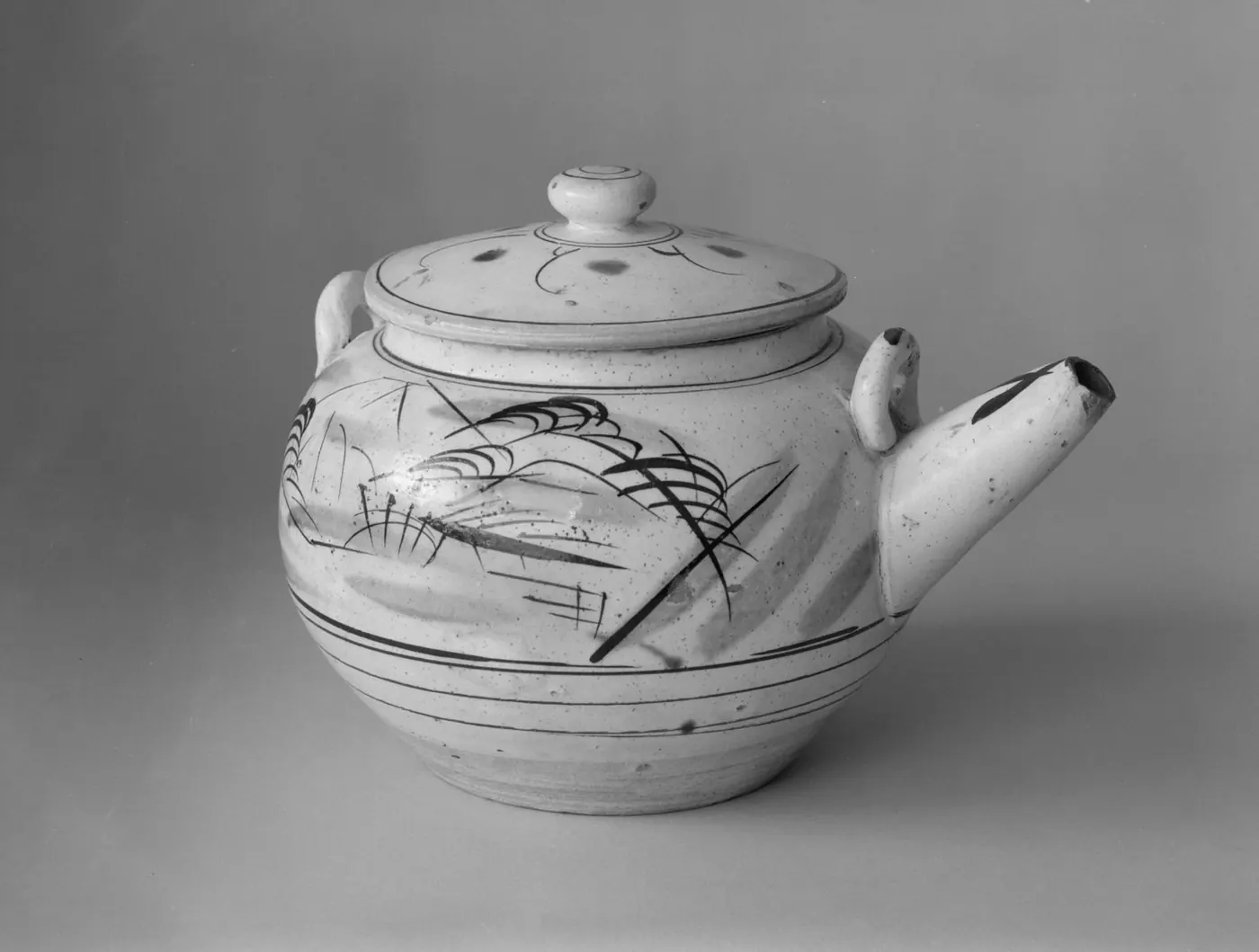
Mashiko made everyday kitchen ware for Edo, rough and practical, from a coarse local clay. In 1924 Shoji Hamada, back from working with Bernard Leach in St Ives, settled here because the clay and the potters were unpretentious. He built his workshop and a climbing kiln, used local glazes from rice-straw ash, persimmon-coloured iron and kaki, and made Mashiko the heart of the Mingei movement.
Today there are hundreds of studios and shops. Twice a year, in spring and autumn, the Mashiko pottery fair fills the streets, and Hamada's house and kiln are kept as a museum. After the 2011 earthquake broke most of the town's kilns, potters rebuilt them together.
What would it take for a place to hold your work the way Mashiko held Hamada's?
Try it in the studio
Look for a single, humble local clay body and build a small family of glazes around it, as Mashiko did with its own stone and ash.