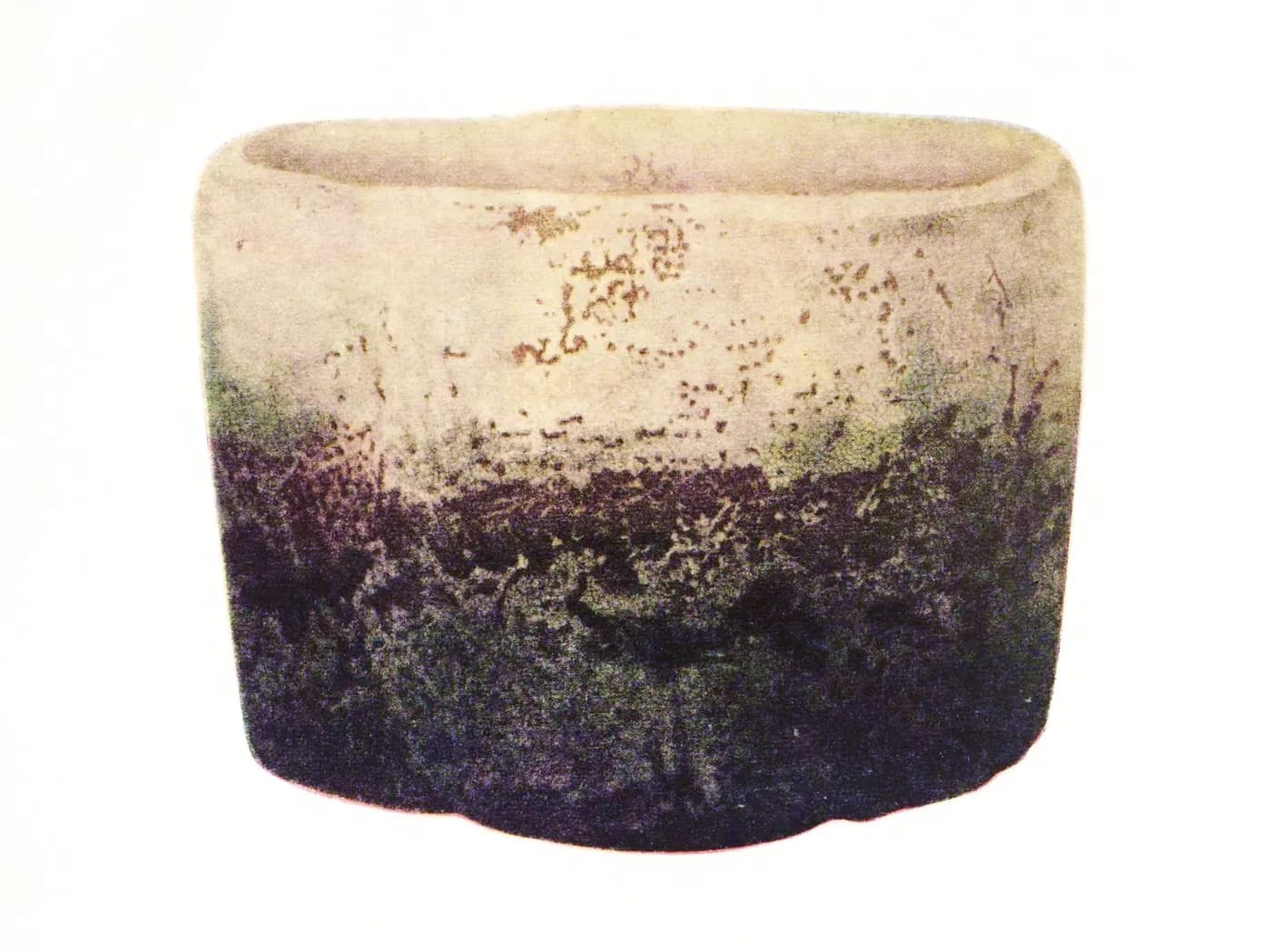
Place
Kyoto
Tea ceremony capital. Where Raku was born.
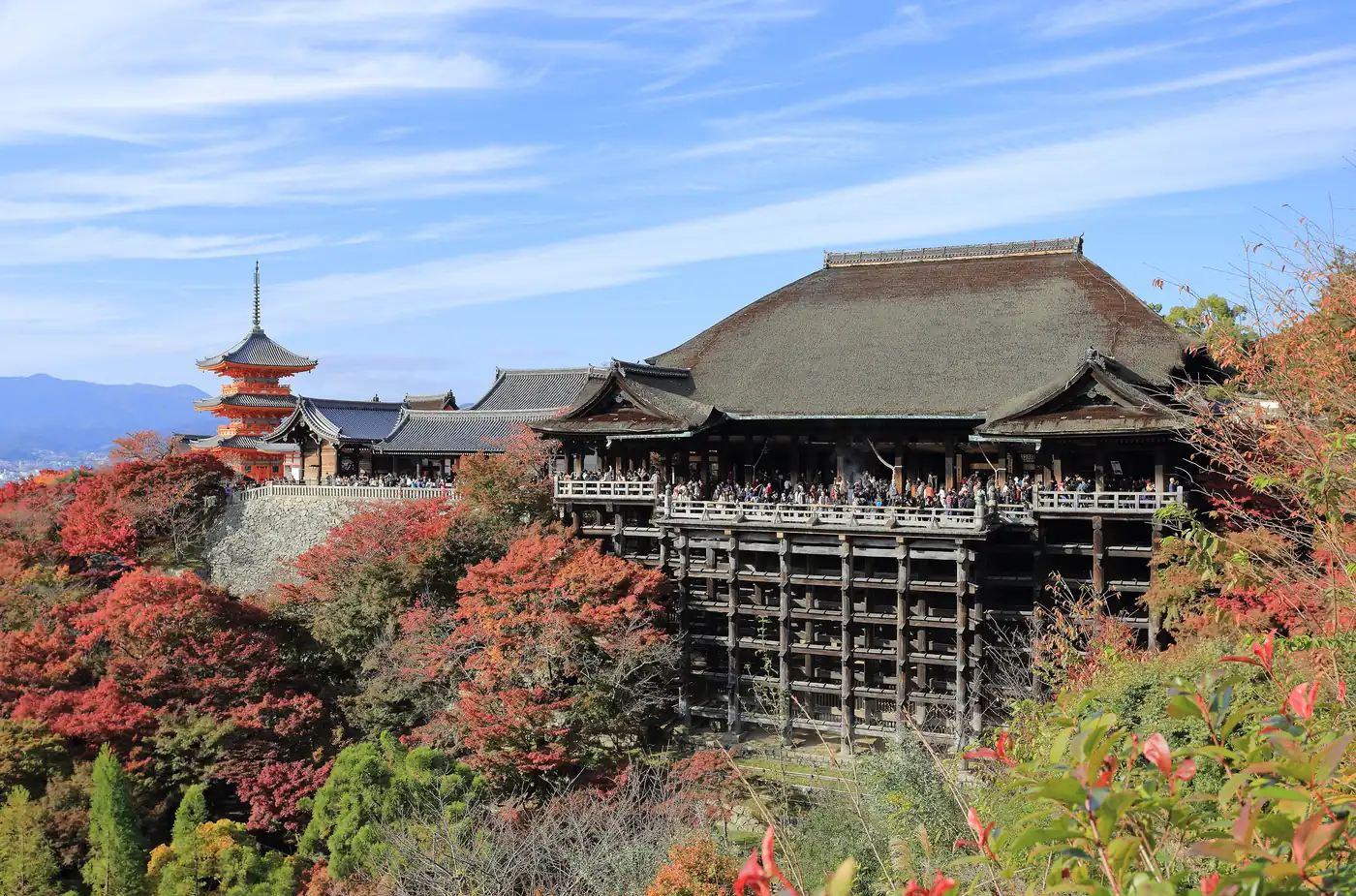
The old capital, where pottery was made for the tea ceremony and the court.
Kyoto's potters, working near the temples and the court, made refined wares known as Kyo-yaki and Kiyomizu-yaki, with painted enamels developed by Nonomura Ninsei and Ogata Kenzan in the 17th and early 18th centuries. It is also where the Raku family has made tea bowls for over four hundred years, and where Kawai Kanjiro, a founder of the Mingei movement, had his house and kiln.
The Kawai Kanjiro Memorial House and the Raku Museum can both be visited, and the Gojozaka pottery fair fills the streets each August.
How does making for a ritual change the way you make?
Try it in the studio
Spend time with Kenzan's square dishes, where painting and form are one design; try a slab dish painted as a single image.