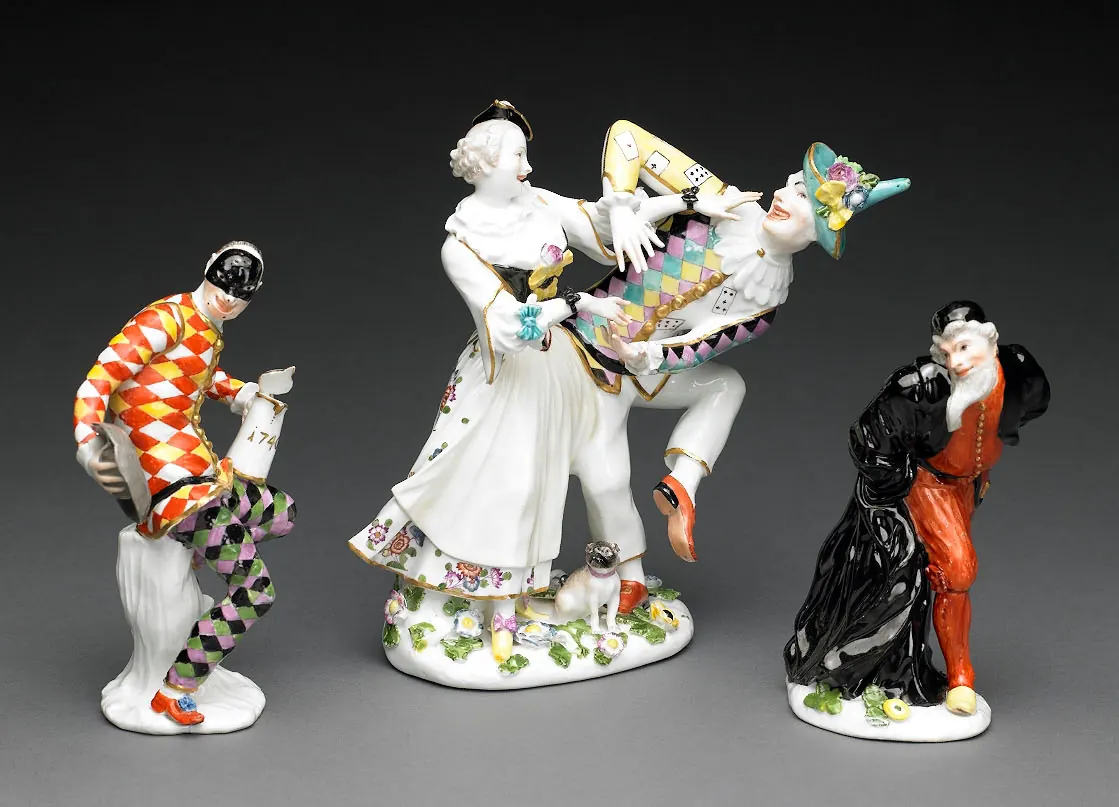
Moment· 1708
European Porcelain Discovered (1708)
An alchemist searching for gold finds white gold instead.
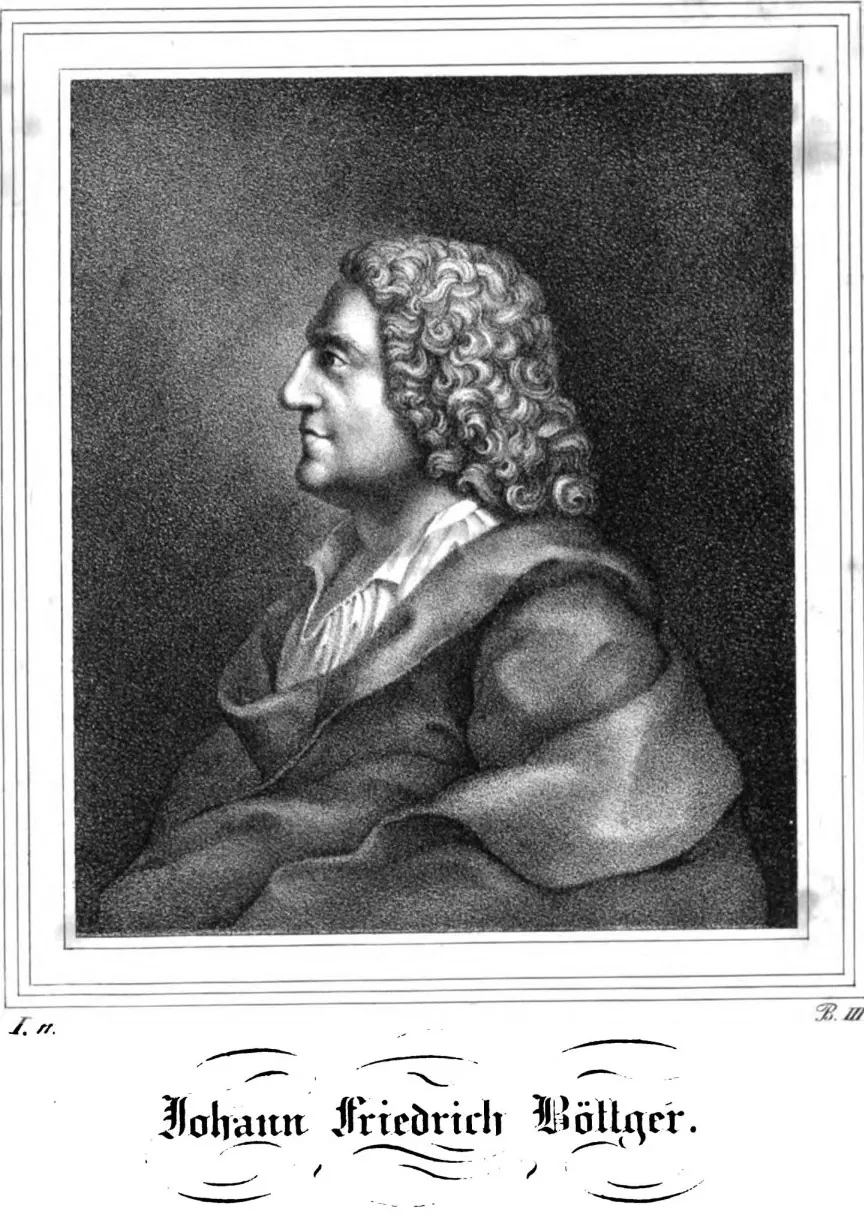
A captive alchemist discovers the secret of porcelain in Saxony.
Europeans had tried for centuries to copy Chinese porcelain. In Dresden, Augustus the Strong of Saxony held the young alchemist Johann Friedrich Böttger, who had claimed he could make gold, and set him to work with the scholar Ehrenfried Walther von Tschirnhaus. Around 1708 they made true hard-paste porcelain from kaolin.
The Meissen factory opened in 1710 in Albrechtsburg Castle, and the recipe was guarded like a state secret, though workers soon carried it to Vienna and beyond.
What secrets in your own work would you want to keep, and which to share?
Try it in the studio
A cone 6 porcelain body is easy to buy; compare it side by side with stoneware to feel why Europe wanted it so badly.