Idea· Japan
Wabi-Sabi
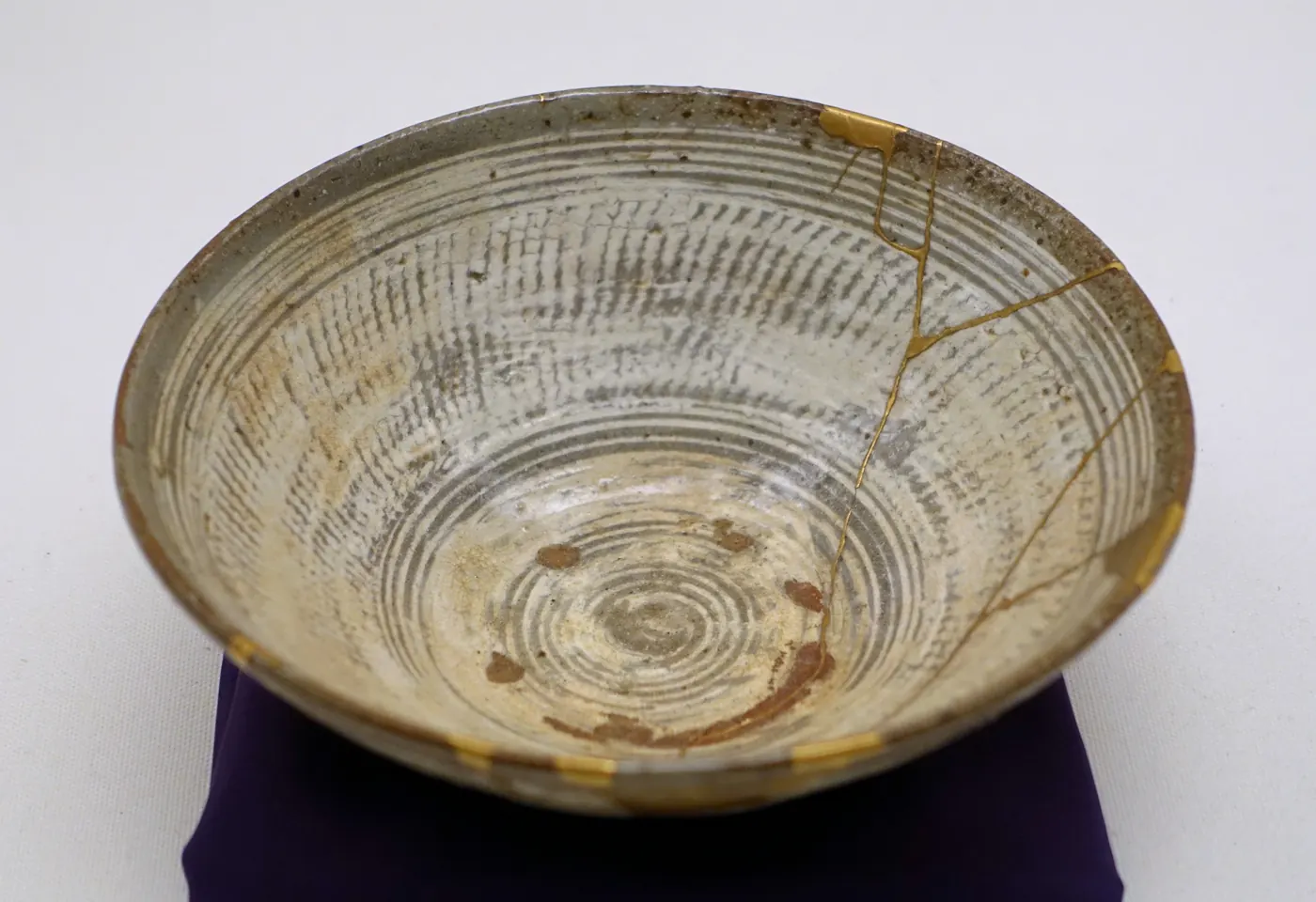
Beauty in imperfection. The crack, the asymmetry, the worn edge.
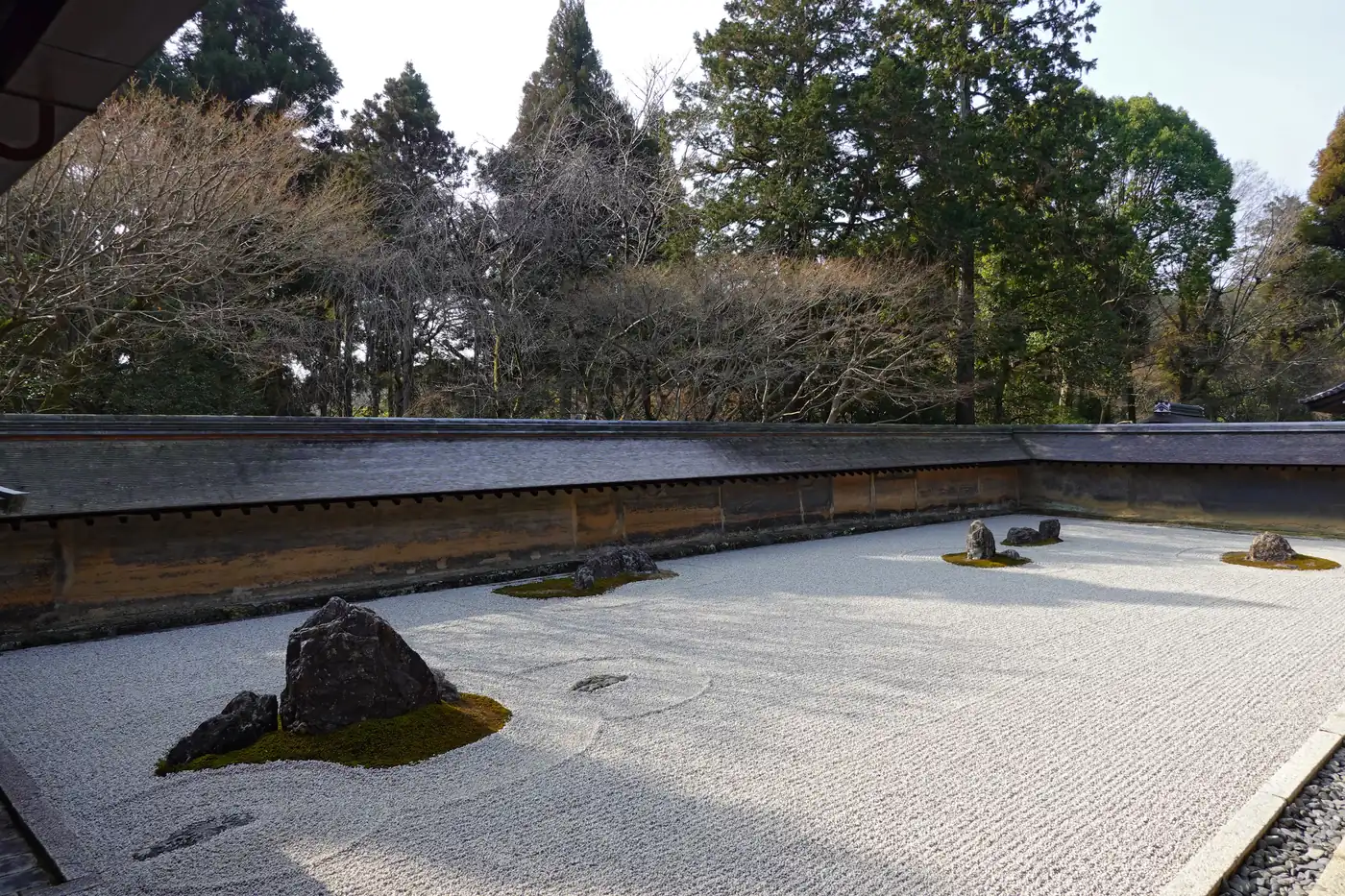
Beauty in what is imperfect, incomplete and passing.
Wabi-sabi is a Japanese way of seeing, shaped by Zen Buddhism and the tea ceremony. Wabi once meant the loneliness of living apart from society and came to mean quiet, simple rusticity; sabi is the beauty of age and wear. Together they value the uneven rim, the crack, the patina and the asymmetry over the perfect and new.
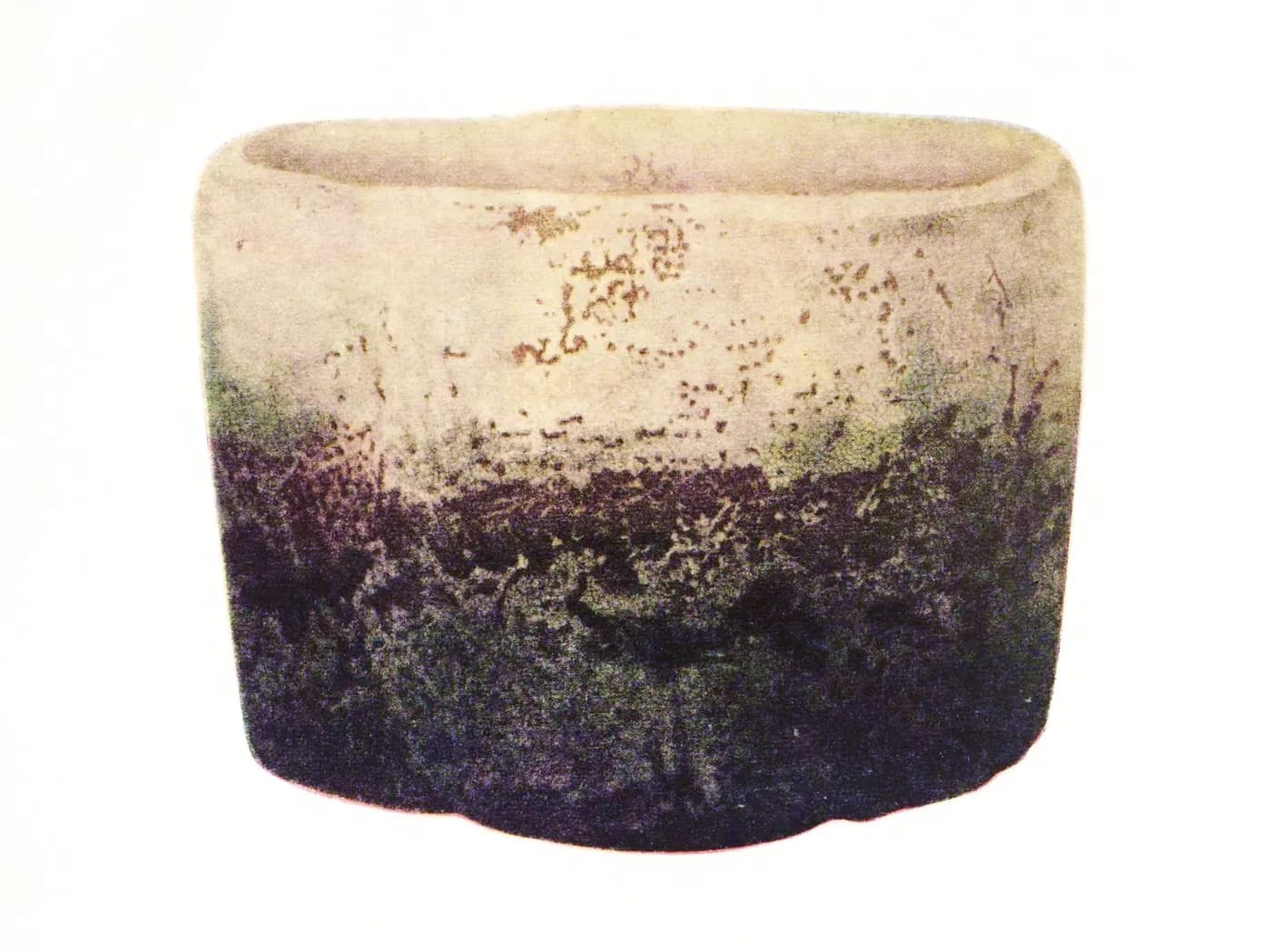
Tea masters such as Sen no Rikyū in the 16th century chose rough local bowls over flawless Chinese porcelain, and Raku and Shigaraki pots became its emblems.
What in your work becomes more beautiful with use and age?
Try it in the studio
Make a bowl in one sitting and resist correcting it; live with it for a week before you judge it.