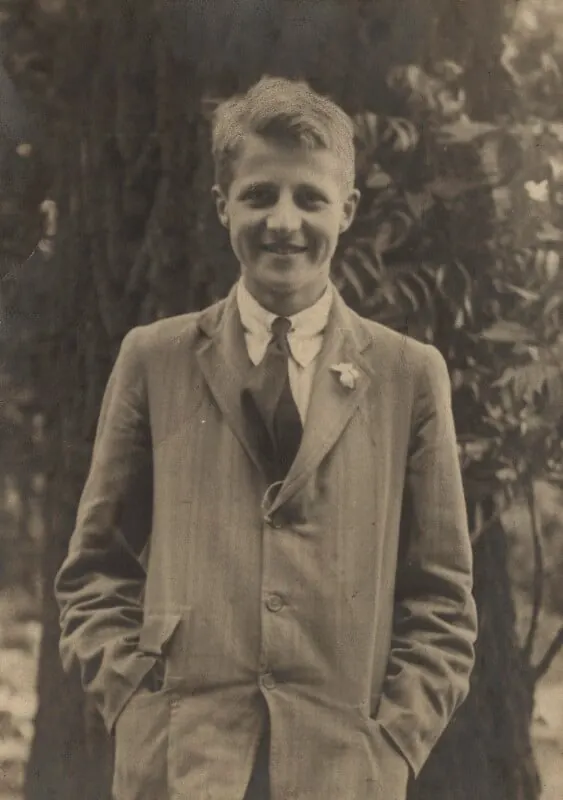
Artist· Britain/Japan
Bernard Leach
East meets West. The bridge builder.
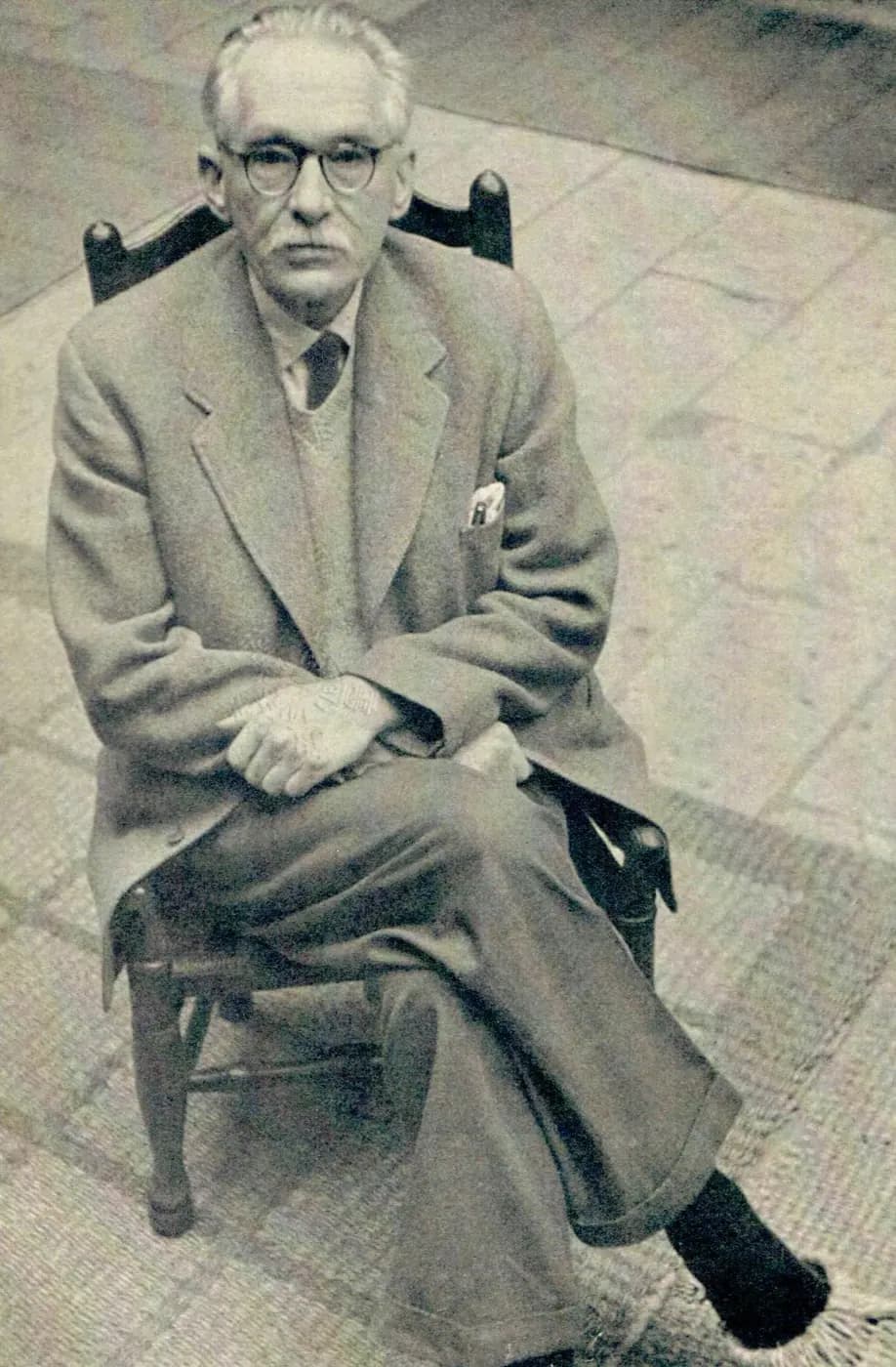
A British etcher went to Japan, pulled a glowing bowl from a raku kiln, and spent the rest of his life building a bridge between two pottery traditions.
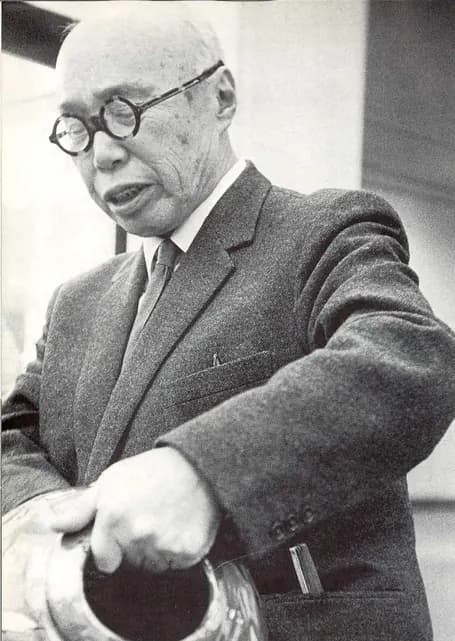
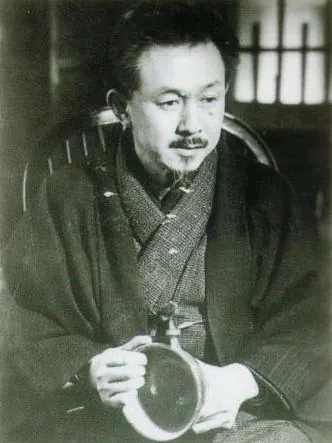
Bernard Leach was born in Hong Kong in 1887 and spent his early childhood in Japan. He trained as an etcher in London and went back to Tokyo in 1909 to teach. In 1911 friends took him to a raku party, where guests decorated pots that were fired on the spot; watching his own bowl come out of the kiln, he decided to become a potter. He studied with Urano Shigekichi, the sixth Ogata Kenzan, and fell in with Yanagi Sōetsu and the young potters who would found the Mingei movement.
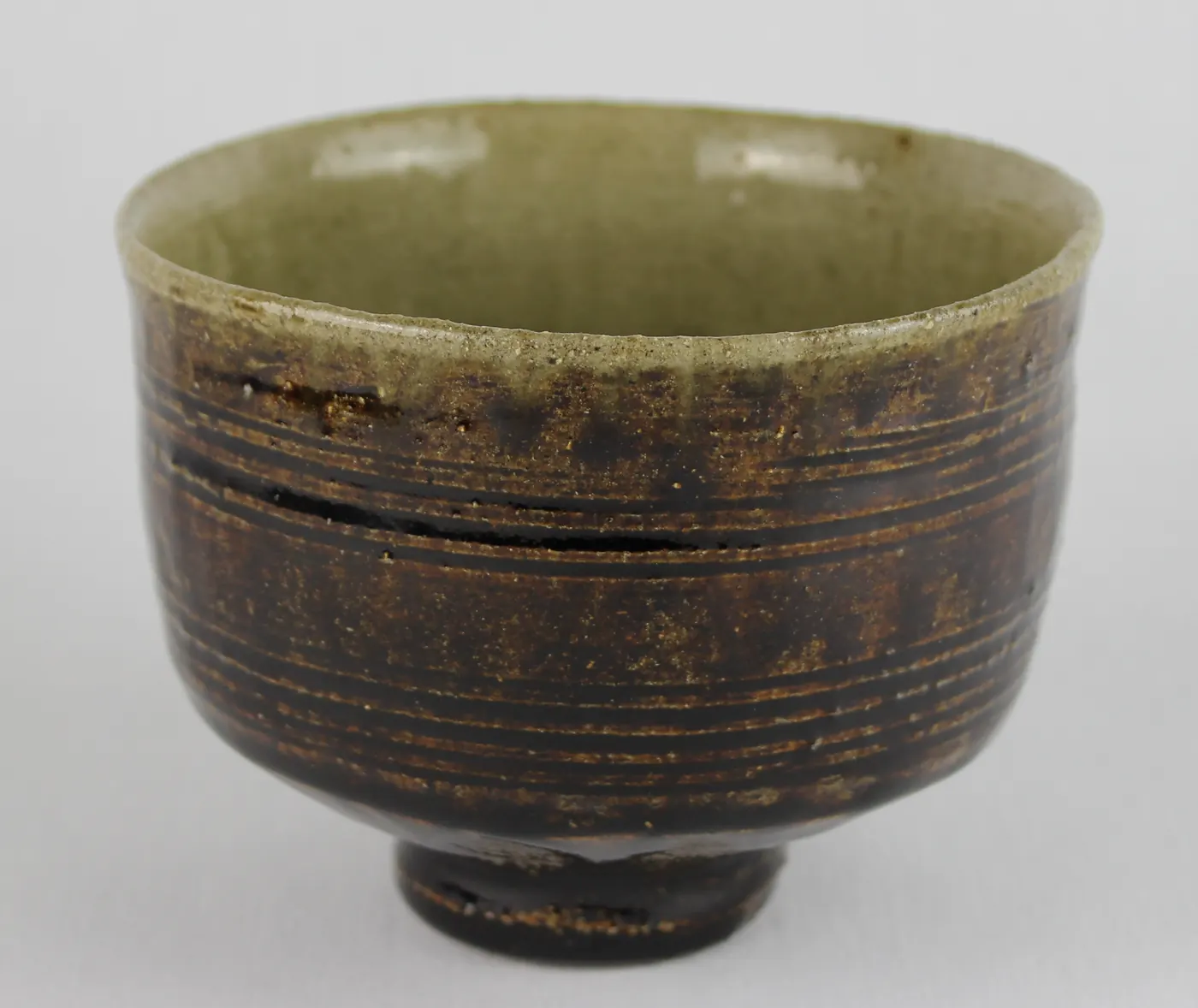
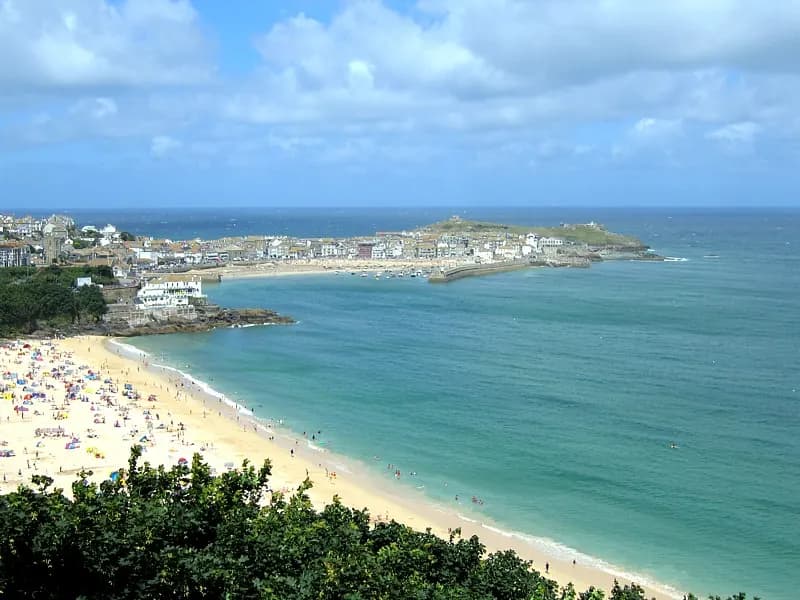
In 1920 he returned to England with Shoji Hamada and built a climbing kiln at St Ives in Cornwall, the first of its kind in the West. The Leach Pottery made individual pots and, later, a 'standard ware' of everyday tableware sold by catalogue. Its apprentices and students carried his ideas around the world: Michael Cardew to Ghana and Nigeria, Katharine Pleydell-Bouverie, Warren MacKenzie to Minnesota, and his son David Leach.
A Potter's Book (1940) joined practical instruction with a philosophy of the honest, useful pot, judged against the Song dynasty, Korean and early English wares he loved. In 1952 he toured the United States with Hamada and Yanagi, including a famous workshop at Black Mountain College. His wife Janet Leach, an American potter, ran the pottery from the 1950s. He kept working and writing until his eyesight failed, and died in St Ives in 1979; the pottery still runs as a studio, museum and training workshop.
What traditions might you bridge between Kigali and the Bay?
Try it in the studio
Read the 'Towards a Standard' chapter of A Potter's Book, then throw a small 'standard ware' set of your own: one mug, one bowl and one plate, repeated until they belong together.